
RRAM
Real-Record Attenuation Method
A family of attenuation laws and ground-motion models developed by Marcelo Moncayo Theurer from real instrumental earthquake records. RRAM combines compact first-generation equations with a second-generation formulation whose spatial attenuation depends on magnitude.
CC BY-NC-ND 4.0 · NonCommercial · NoDerivativesRRAM Ground-Motion Models: first and second generation
RRAM relates earthquake magnitude M, epicentral distance D, and ground acceleration. CMAR —the Maximum Recorded Acceleration Curve— is used as an upper empirical envelope of observed maxima. The FGET–VRR–NFF architecture provides the framework for building and later evolving the equations.
FGET
Explores and evolves functional equation structures.
VRR
Reduces and ranks relevant variables, terms, and combinations.
NFF
Nests dependencies and coefficients recursively while preserving traceability.
First generation · RRAM 1G
The four 1G laws share a fixed spatial attenuation rate of −0.005 km⁻¹ and use magnitude and epicentral distance.
Original Curve
Variant 1
Variant 2
Reduced Original
General 1G form:
Second generation · RRAM 2G
The 2G law introduces a nonlinear magnitude layer through M² and a magnitude–distance interaction MD. This allows the spatial slope to vary with earthquake magnitude instead of remaining fixed.
Second-Generation Law
a₂G = predicted acceleration in Gal; M = earthquake magnitude; D = epicentral distance in km. M² changes the amplitude dependence on magnitude, while MD couples magnitude and distance.
Paper II DOI: 10.5281/zenodo.22650007
License
RRAM and the papers available on this site are published under the Creative Commons Attribution–NonCommercial–NoDerivatives 4.0 International license (CC BY-NC-ND 4.0).
NonCommercial · NoDerivatives. Sharing is permitted with proper attribution, but commercial use and distribution of modified versions are not permitted without authorization.
Method explanatory figures
These three figures summarize the main themes of RRAM and are integrated into the website as visual support for the method. The figures and associated contents are provided under the CC BY-NC-ND 4.0 license — NonCommercial · NoDerivatives.
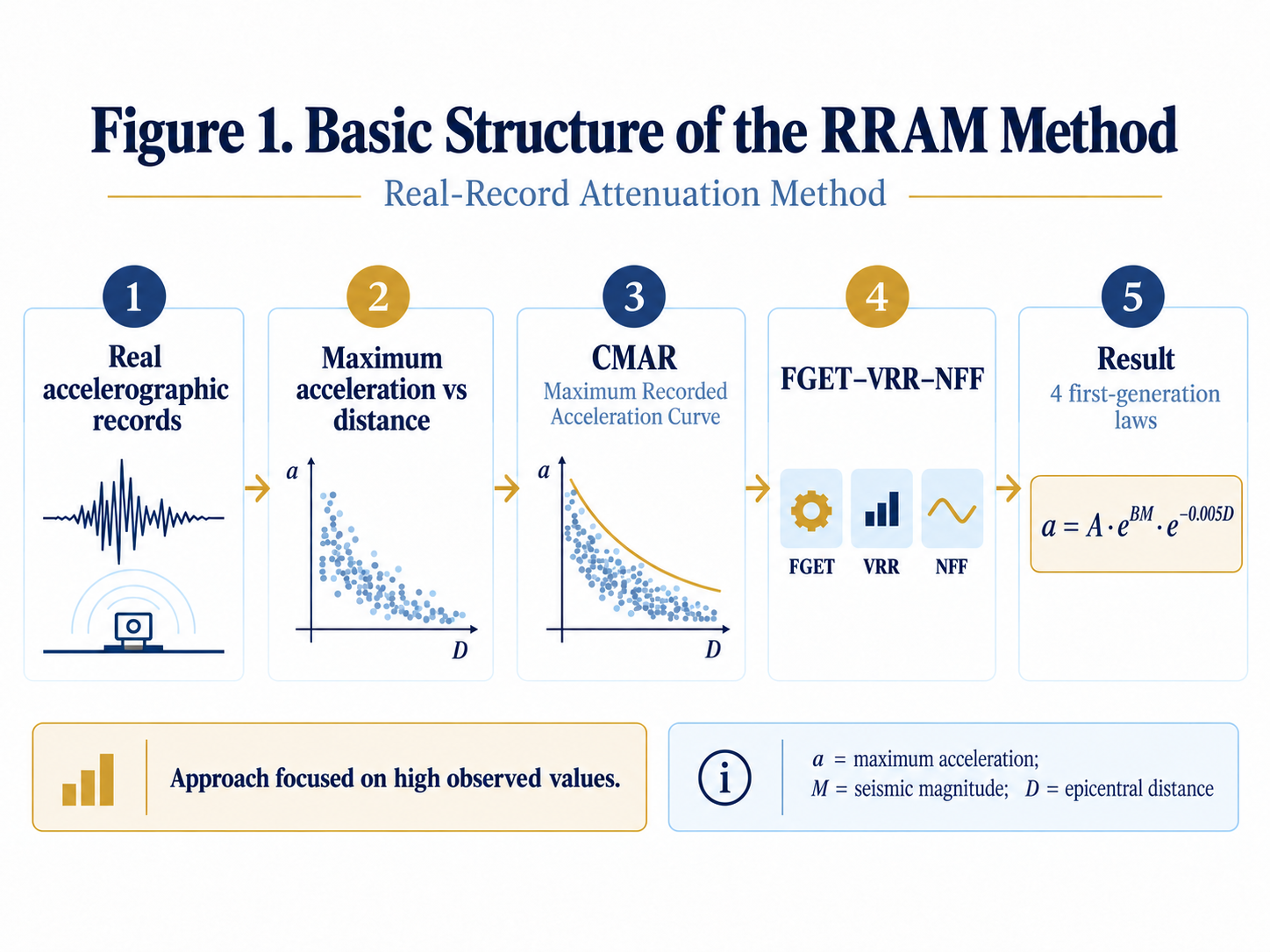
Figure 1. Basic Structure of the RRAM Method
Summarizes the methodological flow: real records, acceleration–distance relation, CMAR, FGET–VRR–NFF architecture, and the 1G-law output.
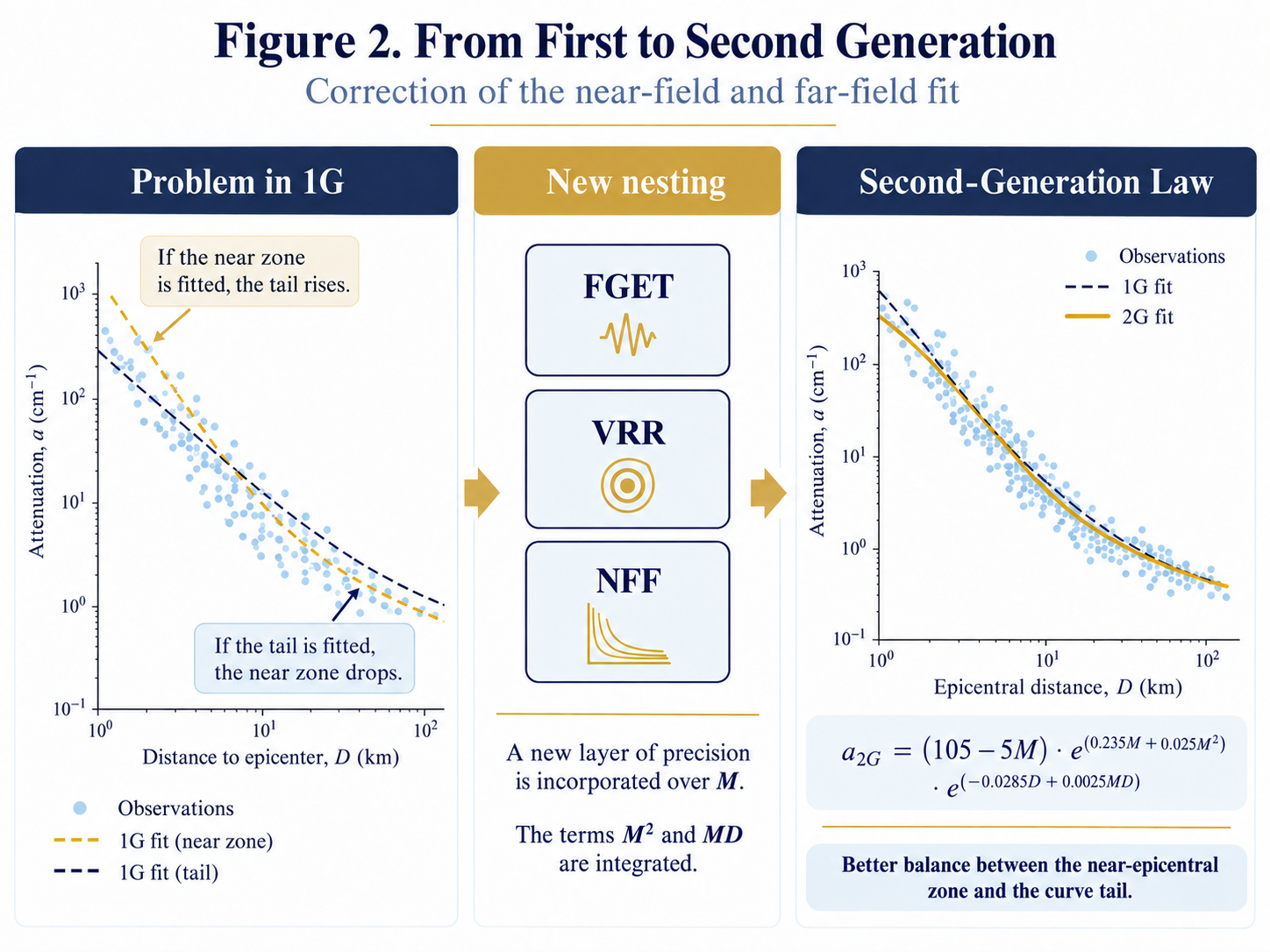
Figure 2. From First to Second Generation
Shows the 1G fitting limitation and the incorporation of a new precision layer over M, integrating the M² and MD terms in the 2G law.
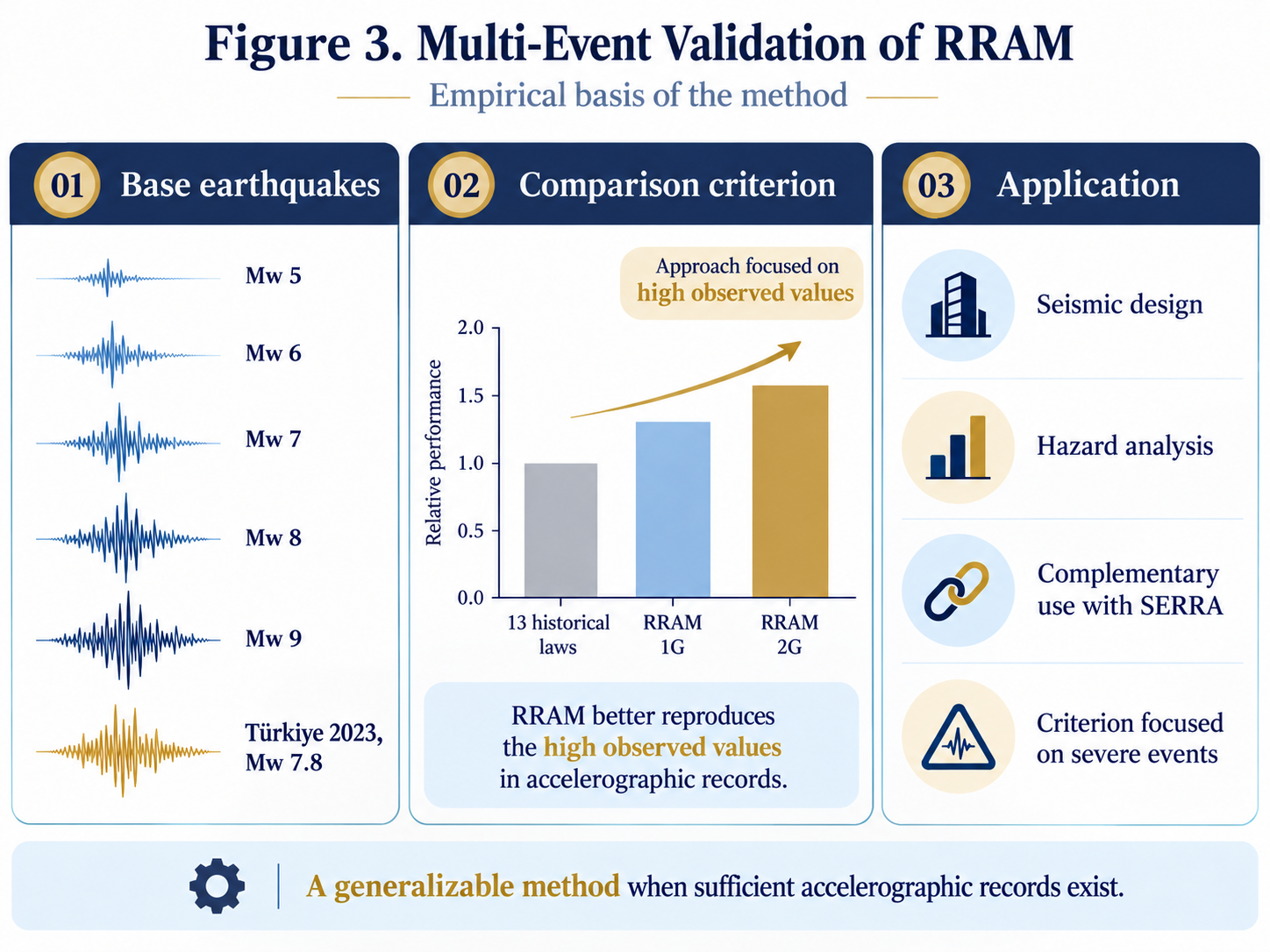
Figure 3. Multi-Event Validation of RRAM
Presents the empirical basis of the method, the criterion focused on high observed values, and its main applications in seismic design and hazard analysis.
Official papers · English and Spanish
The four PDFs supplied by THEK are available from a dedicated public paper directory.
Collaboration · Conferences · Courses · Licensing
THEK Research Institute invites universities, research centers, engineering firms, consultants, and software developers to explore regional validation, scientific collaboration, conferences, technical courses, consulting, and authorized RRAM implementation.
Contact: research@hithek.com